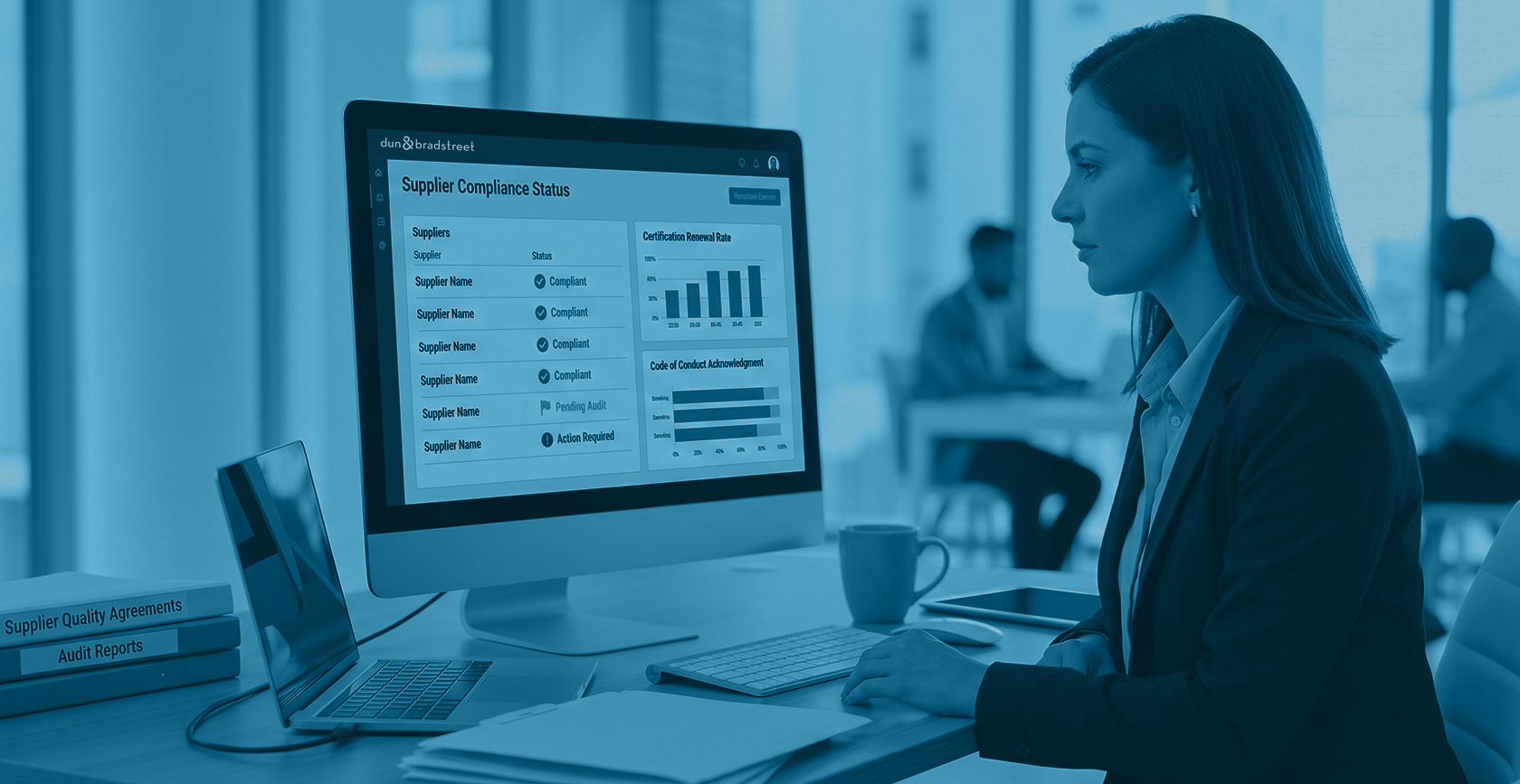
Modern supply chains are no longer linear. They are complex, multi-tiered ecosystems involving suppliers across regions, regulatory environments, and risk profiles. In this evolving landscape, businesses can no longer rely on periodic reviews or manual oversight.
This is where supplier performance tracking and supplier compliance monitoring become critical. When powered by real-time data and analytics, these processes shift from reactive reporting to proactive decision-making.
Organizations today need continuous visibility into supplier performance, compliance status, and risk exposure. Real-time insights not only improve operational efficiency but also help businesses prevent disruptions, ensure regulatory adherence, and build resilient supplier networks.
What Is Supplier Performance and Compliance Monitoring?
Understanding supplier performance and compliance monitoring is the foundation of building a resilient and efficient supply chain. As businesses increasingly depend on external vendors, maintaining visibility into how suppliers perform and adhere to regulations becomes critical.
What Is Supplier Performance Tracking?
Supplier performance tracking is the process of continuously evaluating how well suppliers meet predefined expectations such as delivery timelines, quality standards, and service levels. It forms the foundation of effective vendor performance management, ensuring that suppliers contribute positively to business outcomes.
What Is Supplier Compliance Monitoring?
Supplier compliance monitoring focuses on ensuring that vendors adhere to regulatory requirements, contractual obligations, and internal policies. This includes financial compliance, legal adherence, and increasingly, ESG-related standards under vendor compliance management frameworks.
Why Supplier Performance Matters for Business Success
Supplier performance directly impacts cost efficiency, product quality, and customer satisfaction. Poor-performing suppliers can lead to delays, compliance violations, and reputational risks, making robust monitoring essential.
How Does Real-Time Data Improve Supplier Performance?
Traditional supplier management often relies on delayed reporting, which limits visibility and slows decision-making. Real-time data changes this by providing continuous insights into supplier activities and performance metrics.
Role of Real-Time Data in Supplier KPI Tracking
Real-time data enables businesses to track supplier KPIs continuously instead of relying on static reports. Metrics such as delivery performance, defect rates, and response times can be monitored instantly, improving supplier KPI tracking accuracy.
From Reactive to Proactive Supplier Management
Traditional systems identify issues after they occur. Real-time analytics allows organizations to detect early warning signs, enabling proactive intervention before problems escalate.
Data Analytics in Vendor Performance Management
Advanced analytics transforms raw data into actionable insights. Businesses can benchmark suppliers, identify trends, and optimize sourcing strategies, strengthening overall vendor performance management.
Key Metrics for Supplier Performance Evaluation
Measuring supplier performance effectively requires clearly defined metrics that align with business goals. Without the right KPIs, it becomes difficult to assess supplier reliability, efficiency, and overall contribution.
Core KPIs for Supplier Performance Tracking
Key performance indicators commonly include:
- On-time delivery rate
- Product/service quality
- Cost efficiency
- Responsiveness and communication
These KPIs form the backbone of effective supplier performance tracking.
Using Supplier Scorecards for Performance Evaluation
Supplier scorecards provide a structured framework to evaluate vendor performance. They combine multiple KPIs into a single, standardized view, making it easier to compare and rank suppliers.
Building Effective Supplier KPI Dashboards
Real-time dashboards consolidate supplier data into visual formats. These dashboards enhance decision-making by providing instant visibility into performance trends and anomalies.
How to Monitor Supplier Compliance Effectively
Ensuring that suppliers meet regulatory and contractual obligations is a critical aspect of risk management. However, compliance monitoring is not just about audits or periodic checks.
Key Compliance Areas to Track
Effective supplier compliance monitoring includes:
- Regulatory compliance
- Contract adherence
- ESG and sustainability standards
Identifying Supplier Compliance Risks
Common risks include financial instability, legal violations, and operational inefficiencies. Identifying these risks early is essential for maintaining compliance.
Ensuring Continuous Vendor Compliance Management
Compliance is not a one-time process. Continuous monitoring ensures suppliers remain aligned with evolving regulations and business requirements.
Role of Analytics in Supplier Risk and Compliance
Data analytics plays a central role in transforming how businesses manage supplier risk and compliance. By leveraging real-time insights and predictive models, organizations can move from reactive responses to proactive risk mitigation.
Real-Time Supplier Risk Monitoring
Real-time systems enable continuous supplier risk monitoring, helping organizations detect potential disruptions such as delays, quality issues, or financial distress.
Predictive Analytics for Compliance
Predictive models analyze historical data to forecast potential compliance breaches, allowing businesses to take preventive measures.
Data-Driven Compliance Decision-Making
Analytics-driven insights support faster and more accurate decisions, improving overall compliance outcomes and reducing risk exposure.
Tools and Technologies for Supplier Performance Monitoring
The effectiveness of supplier performance tracking largely depends on the tools and technologies used. Modern solutions offer automation, real-time visibility, and seamless integration with existing systems.
Supplier Performance Management Solutions
End-to-end platforms enable businesses to monitor supplier KPIs, benchmark performance, and generate detailed reports. Tools like D&B Finance Analytics provide visibility into supplier financial health, payment behavior, and operational performance, strengthening overall vendor performance management.
Cloud-Based Supplier Monitoring Tools
Cloud-based solutions offer centralized access to supplier data, making it easier to manage performance across multiple locations. Platforms such as D&B Onboard streamline supplier onboarding, documentation, and ongoing compliance tracking, ensuring consistency and scalability.
Supplier Data and Risk Intelligence Tools
Access to reliable supplier data is critical for effective monitoring. Data intelligence platforms from Dun & Bradstreet provide comprehensive insights into supplier risk profiles, creditworthiness, and compliance status. These tools help businesses strengthen supplier risk monitoring, make informed decisions, and maintain a more transparent and reliable supplier ecosystem.
How to Implement a Supplier Performance Monitoring System
Implementing a structured supplier performance monitoring system requires careful planning and alignment with business objectives. From defining KPIs to integrating data sources, each step plays a crucial role in ensuring success.
Step-by-Step Implementation Approach
- Define performance and compliance KPIs
- Select appropriate tools and platforms
- Integrate supplier data from multiple sources
- Train teams on monitoring and analytics systems
Automating Supplier Performance Tracking
Automation streamlines data collection and reporting, reducing errors and improving efficiency in supplier performance tracking.
Integrating with ERP and Analytics Systems
Integration with ERP and analytics platforms ensures a centralized data ecosystem, enabling holistic supplier insights.
Benefits of Real-Time Supplier Monitoring and Analytics
Improved Supplier Performance Tracking Accuracy
Real-time systems eliminate delays and inaccuracies associated with manual reporting by capturing data directly from operational sources. This ensures that performance metrics are always up to date and reliable. With more accurate supplier performance tracking, businesses can make faster, data-driven decisions and avoid costly errors caused by outdated information.
Enhanced Supplier Compliance Monitoring
Continuous monitoring ensures suppliers remain compliant with regulations, contracts, and internal policies at all times. Instead of relying on periodic audits, businesses gain ongoing visibility into compliance status, enabling early detection of issues. This strengthens supplier compliance monitoring and reduces the risk of regulatory penalties, disruptions, or reputational damage.
Increased Supply Chain Efficiency
Access to real-time insights enables faster decision-making across procurement, logistics, and operations. Teams can quickly respond to delays, quality issues, or demand fluctuations, improving overall coordination. This leads to smoother workflows, reduced bottlenecks, and a more agile and efficient supply chain.
ROI of Supplier Analytics Tools
Investing in supplier analytics tools delivers measurable returns through cost savings, reduced risk exposure, and improved supplier performance. Businesses can optimize sourcing decisions, minimize disruptions, and strengthen supplier relationships. Over time, these improvements contribute to higher profitability and better long-term operational stability.
Challenges in Real-Time Supplier Monitoring
Data Integration Issues
Combining data from multiple systems and suppliers can be complex, often creating silos. Standardization and integration are key to a unified view.
Lack of Standardized KPIs
Inconsistent metrics make supplier comparison difficult. Clear, uniform supplier KPI tracking ensures accurate evaluation.
Resistance to Digital Transformation
New tools may face resistance due to process changes. Training and stakeholder alignment are essential for adoption.
Data Security and Privacy Concerns
Real-time monitoring involves handling sensitive supplier data, raising risks around security and unauthorized access. Strong cybersecurity measures and access controls are essential to protect data and maintain trust.
Supplier Data Reliability and Accuracy
The effectiveness of monitoring depends on data quality. Inconsistent or incomplete data can lead to poor decisions, making standardized reporting and validation processes critical.
Advanced Strategies for Supplier Performance Optimization
Using Real-Time Analytics for Risk Mitigation
Real-time insights help businesses identify risks early and take corrective actions, strengthening supplier risk monitoring.
Improving Supplier Collaboration with Data
Sharing performance data with suppliers fosters transparency and encourages continuous improvement.
Continuous Monitoring in Supplier Lifecycle Management
Monitoring suppliers throughout their lifecycle ensures consistent performance and compliance.
Digital Transformation in Supplier Compliance Tracking
Digital tools enable scalable and efficient supplier compliance monitoring, supporting long-term growth.
Key Takeaways
- Real-time data transforms supplier performance tracking into a proactive process
- Supplier compliance monitoring reduces regulatory and operational risks
- Supplier scorecards and KPI tracking improve supplier accountability
- Analytics enhances vendor performance management and decision-making
- Technology integration is essential for scalable supplier risk monitoring
Conclusion
Effective supplier performance tracking and supplier compliance monitoring directly influence operational efficiency, cost control, and risk reduction. With real-time data and analytics, businesses can eliminate blind spots, improve supplier accountability, and ensure consistent compliance across every stage of the supply chain.
By leveraging continuous insights, organizations can quickly identify underperforming suppliers, address compliance gaps, and optimize procurement strategies with confidence. This not only reduces disruptions but also strengthens supplier relationships through greater transparency and performance alignment.
Looking to strengthen supplier performance and ensure compliance across your supply chain? Contact us today to discover data-driven solutions tailored to your business needs.
FAQs
Q: What are the key metrics used to evaluate supplier performance?
A: Key metrics include on-time delivery, quality levels, cost efficiency, and responsiveness. These KPIs are often consolidated into supplier scorecards for easier evaluation and comparison. Businesses may also track order accuracy, lead times, and service consistency to gain a more complete view of supplier performance.
Q: How can companies monitor supplier compliance effectively?
A: Companies can monitor compliance by using real-time tracking tools, setting clear compliance standards, and continuously evaluating supplier performance against regulatory and contractual requirements. Regular audits, automated alerts, and centralized dashboards further help ensure consistent supplier compliance monitoring across all vendors.
Q: What tools are used for real-time supplier performance tracking?
A: Businesses use supplier performance management software, cloud-based platforms, and analytics tools to monitor supplier KPIs in real time and generate actionable insights. Many organizations also integrate these tools with ERP systems to create a unified view of supplier data and improve decision-making.
Q: How does real-time monitoring reduce supplier risk?
A: Real-time monitoring identifies issues such as delays, quality defects, or financial instability early, enabling businesses to take corrective action before disruptions occur. This proactive approach strengthens supplier risk monitoring and helps maintain supply chain continuity.
Q: What is the difference between supplier scorecards and analytics platforms?
A: Supplier scorecards provide structured performance evaluations based on predefined KPIs, offering a simple way to compare vendors. In contrast, analytics platforms deliver deeper insights through real-time data, predictive analysis, and trend visualization, supporting more advanced decision-making.
Q: How does AI help in supplier performance and compliance monitoring?
A: AI automates data analysis, detects anomalies, predicts risks, and generates alerts, making supplier performance tracking and supplier compliance monitoring more efficient and accurate. It also enables predictive insights, helping businesses anticipate issues and optimize supplier strategies proactively.